Mice Cats Font: A Playful Typeface for Branding
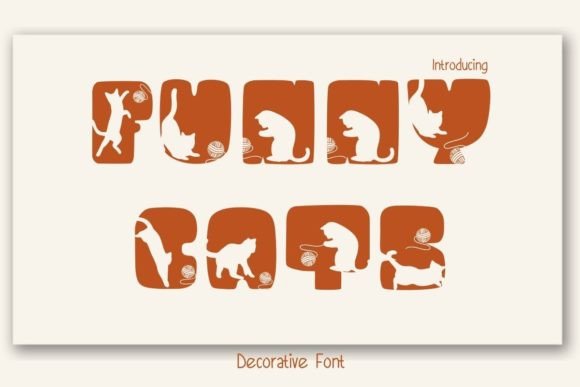
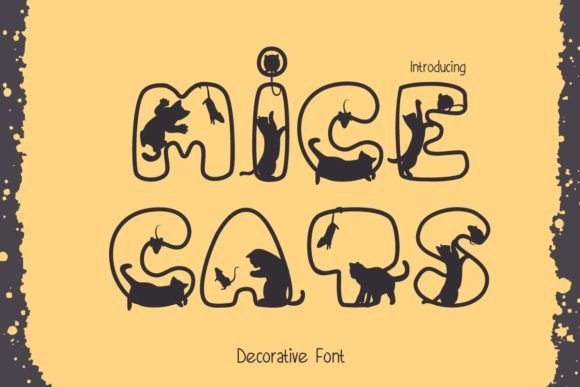
When I first opened my design software to start a new project for a local artisanal bakery, I knew I needed something that broke away from the rigid, corporate sans serif fonts dominating the market. The client wanted warmth, whimsy, and a touch of nostalgia. That is when I stumbled upon Mice Cats, a unique decorative font that immediately caught my eye. This typeface is not just about letters; it is an experience. Mice Cats uses multiple cats and mice silhouettes combined with transparent fonts to create a visual narrative within the text itself. As I began testing it on initial mockups, I realized this was more than a novelty item; it was a versatile tool for creating engaging brand identities.
Integrating Mice Cats Silhouettes into Logo Design
The first challenge in any branding project is the logo. For this bakery, which specializes in handcrafted pastries with animal-themed shapes, the fit was serendipitous. Mice Cats offers a quirky style that blends typography with illustration seamlessly. Unlike standard decorative fonts where the imagery feels tacked on, the silhouettes here are intrinsic to the letterforms. When I typed out the business name, the negative space and the transparent elements allowed the background colors to peek through, adding depth without clutter. This makes Mice Cats ideal for logo design where you want the text to double as a graphic element. It captures attention instantly, making it a powerful choice for businesses that rely on visual memorability.
Using Transparent Fonts for Layered Packaging Designs
Once the logo direction was approved, we moved to packaging. This is where the "transparent" aspect of Mice Cats truly shines. In packaging design, layering is key. I placed the font over a soft pastel background on a box mockup, and the interplay between the cat and mouse shapes and the underlying pattern created a delightful texture. Most decorative fonts struggle at smaller sizes or on complex backgrounds, but because Mice Cats relies on recognizable silhouettes, it remains legible and charming even when scaled down for sticker labels. It transforms a simple product label into a piece of art, encouraging customers to pick up the item just to look closer. For any designer working on physical products, this font adds a tactile quality to digital designs.
Enhancing Social Media Graphics with Quirky Typography
In today’s digital landscape, static images need to stop the scroll. I used Mice Cats for a series of Instagram posts announcing the bakery’s new seasonal menu. The cute and quirky style of the font resonated perfectly with the playful tone of the copy. Because the font includes distinct animal shapes, it reduces the need for additional clipart or icons, streamlining the design process. I found that using Mice Cats as a headline font allowed me to keep the rest of the layout clean and minimal. The font does the heavy lifting visually, so I could pair it with a simple, modern sans serif for the body text. This contrast ensures readability while maintaining the fun atmosphere. For content creators and social media managers, this font is a time-saver that boosts engagement through sheer charm.
Pairing Mice Cats with Modern Sans Serif Typefaces
A common mistake designers make with highly decorative fonts is overusing them. Mice Cats is a display font, meaning it is best suited for headlines, titles, and short bursts of text. To maintain professionalism and readability, I paired it with a neutral, geometric sans serif font for the informational details on the menu and website. This combination creates a balanced visual hierarchy. The quirky nature of Mice Cats draws the eye, while the clean lines of the supporting font guide the reader through the content. This pairing strategy works well for various industries, from children’s boutiques to creative studios. It proves that you can have fun with typography without sacrificing clarity. When building a brand identity, always test your decorative font against several different body fonts to find the right harmony.
Applying Mice Cats in Editorial and Print Materials
Beyond digital screens, I tested Mice Cats on printed flyers and business cards. The result was surprisingly robust. The bold silhouettes hold up well in print, provided you use high-resolution files. For the business cards, I used the font for the name and title, letting the cat and mouse shapes frame the contact information subtly. It added a personal touch that made the card feel less like a transaction and more like an invitation. In editorial design, such as newsletters or magazines, Mice Cats can be used for pull quotes or section headers to break up long blocks of text. It injects personality into otherwise dry layouts. However, it is crucial to use it sparingly. Overuse can lead to visual fatigue, so treat it as a spice rather than the main ingredient.
Checking Licensing and File Formats for Commercial Use
Before finalizing any client project, I always review the technical specifications. Mice Cats comes in standard font formats that are compatible with most design software, including Adobe Illustrator, Photoshop, and InDesign. For web use, ensuring you have the correct webfont licenses is essential if you plan to embed it in a website header. Since this is a commercial font, verifying the licensing terms for merchandise and large-scale printing is a necessary step. I appreciate when a font provider is clear about these details, as it prevents legal headaches down the line. For freelancers and agencies, having a reliable, well-licensed decorative font in your toolkit is invaluable. It allows you to say yes to diverse projects knowing you have a compliant and high-quality asset ready to go.
Ultimately, Mice Cats is more than just a collection of letters; it is a storytelling device. Whether you are designing for a pet store, a children’s book publisher, or a whimsical café, this font brings a sense of joy and creativity to the table. Its ability to blend transparent elements with solid silhouettes offers unique opportunities for layered design work. By pairing it thoughtfully with simpler typefaces and respecting its role as a display font, you can create brand materials that are both professional and deeply engaging. If you are looking to add a touch of playfulness to your next project, Mice Cats is a worthy addition to your font library.