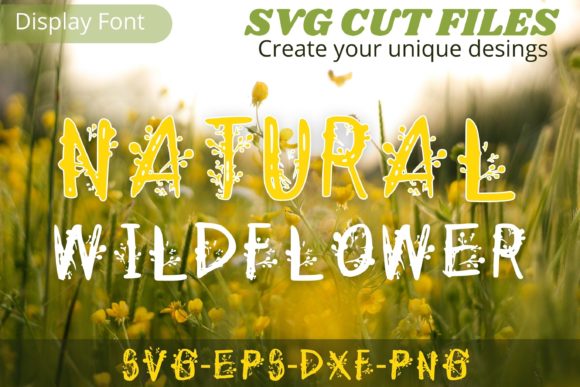
Natural Wildflower: A Unique Decorative Typeface
Natural Wildflower is a cool, useful and unique decorative font that immediately caught my eye while I was scouting for fresh typefaces to refresh a local botanical skincare brand’s visual identity. As an experienced brand designer, I am always cautious when introducing Decorative Fonts into a professional layout because they can easily overwhelm the design if not handled with care. However, this specific typeface struck a balance between whimsical charm and structural integrity that made it stand out in my initial testing phase. It feels less like a generic digital asset and more like a handcrafted element that brings organic warmth to any project.
Testing Natural Wildflower on Logo Concepts and Brand Boards
Natural Wildflower shines brightest when used as a primary display element in logo design and brand identity systems. During the early stages of the skincare project, I placed the font on a blank brand board to see how it interacted with soft pastel colors and minimalist iconography. The result was instantly inviting. Unlike many script or handwritten fonts that lose their character at smaller sizes, Natural Wildflower maintains its distinct personality even when scaled down for business cards or social media avatars. The strokes are clean yet playful, offering a sense of approachability that is crucial for brands targeting a conscious, nature-loving audience.
When reviewing the font for logo suitability, I noticed that it works exceptionally well for short phrases and brand names rather than long sentences. It acts as a strong anchor in the visual hierarchy, drawing the viewer’s eye immediately to the brand name. For designers working on boutique identities, café visual refreshes, or handmade shop branding, this font provides that elusive "artisanal" feel without looking messy or unprofessional. It is important to give the letters enough breathing room; crowding them diminishes the unique shapes that make the font so appealing.
Using Natural Wildflower for Packaging Design and Product Labels
Natural Wildflower proves its versatility when applied to packaging design and product labels, where space is often limited but impact is paramount. I tested the font on several mockups for glass jars and cardboard boxes, simulating a real-world production environment. The font’s weight and contrast allowed it to remain legible against textured backgrounds, which is a common challenge in physical product design. For a bakery or a small-batch candle maker, using this font on a label can elevate the perceived value of the product, suggesting care and attention to detail.
In these applications, the font serves as an accent rather than the sole carrier of information. I paired it with a clean sans serif font for the ingredient lists and regulatory text to ensure readability and compliance. This combination created a modern typography system that felt both trendy and trustworthy. The decorative nature of Natural Wildflower adds emotional appeal, while the supporting typeface handles the functional aspects of the design. This strategy is essential for maintaining professionalism while still leveraging the creative potential of a display font.
Enhancing Social Media Graphics and Digital Ads with Natural Wildflower
Natural Wildflower is highly effective for social media graphics and digital ads, where capturing attention quickly is the primary goal. I integrated the font into a series of Instagram post templates and story highlights for the client’s launch campaign. The font’s unique shapes pop against solid color backgrounds and photographic images alike, making it ideal for creating eye-catching headers and promotional banners. For bloggers and content creators, using this font in blog post headers or Pinterest pins can significantly increase click-through rates by adding a layer of visual interest that standard system fonts lack.
When designing for digital platforms, it is crucial to consider how the font renders on different screens. Natural Wildflower holds up well on mobile devices, provided the text size is large enough to be read comfortably. I found that it works best for headlines, quotes, and call-to-action buttons rather than body copy. Its decorative style makes it perfect for greeting cards, invitations, and planners shared digitally, adding a personal touch that resonates with audiences seeking authenticity in online interactions.
Pairing Natural Wildflower with Complementary Typefaces
To maximize the impact of Natural Wildflower, thoughtful font pairing is essential. Because it is a decorative font with distinct character, it pairs best with neutral, understated typefaces. I experimented with several combinations and found that a geometric sans serif font provides the best contrast, allowing Natural Wildflower to take center stage without competing for attention. Alternatively, a classic serif font can add a touch of elegance and tradition, which works well for wedding invitations or high-end branding projects. Avoid pairing it with other script or handwritten fonts, as this can create visual clutter and reduce overall readability.
Practical Considerations for Licensing and Final Implementation
Before finalizing any design work with Natural Wildflower, it is vital to review the commercial font licensing terms. Whether you are using it for client work, merchandise, print-on-demand products, or web design, ensuring you have the appropriate rights prevents legal issues down the line. I always check if the license covers webfont usage if the font will be embedded on a website header or used in digital advertisements. Additionally, reviewing the included styles and file formats ensures compatibility with your design software and workflow. While Natural Wildflower is a powerful tool for creative expression, it is not suitable for long-form body text or formal corporate documents where strict readability and neutrality are required. By understanding its strengths and limitations, designers can use this font to create memorable, engaging, and professional design assets that truly connect with their target audience.